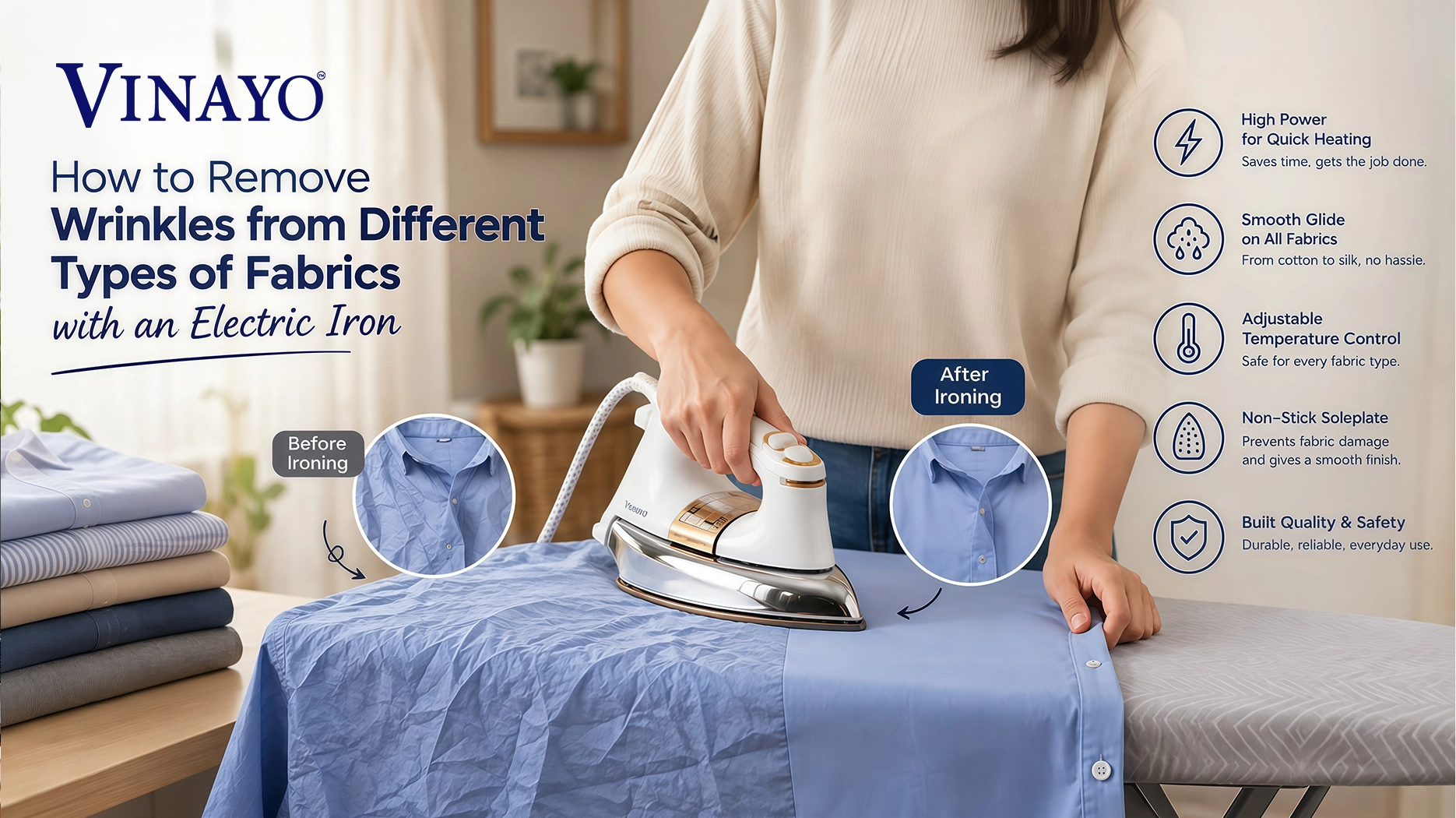
Wrinkled clothes can completely spoil an otherwise perfect outfit. No matter if you are preparing for an important meeting, a date or just want to look nice while throwing your weekly laundry, knowing how to properly iron different fabric types will become your best friend. The good news is that with a bit of practice and the right temperature, an electric iron can efficiently remove almost all wrinkles from a variety of fabrics.
The only issue is, that not all fabrics are created equal, and using the same temperature and ironing techniques for every type of fabric will lead to unsatisfactory results and even ruined clothes. So let’s learn how to iron different fabrics and get our wardrobes wrinkle-free!
Why Does Fabric Type Matters When Ironing
As mentioned above, different fabrics react differently to heat and ironing techniques. So it is essential to know which temperature and ironing methods are suitable for the clothes you need to iron.
The main difference between different fabric types is their respective heat resistance. For example, cotton and linen are considered to be quite hardy and resistant to heat damages, whereas delicate fabrics like silk and polyester require a more gentle approach. Before you attempt to iron any clothes, make sure that you have studied the care instructions on the garment, and followed the manufacturer’s recommended temperature.
If you are not sure what temperature to use for a specific fabric type, it is always safer to start with a lower temperature and gradually increase it. Now that we’ve covered the basics, let’s get our hands dirty and find out how to iron different types of fabric.
1. How to Iron Cotton Clothes
Cotton is one of the most common fabrics that people iron, and for good reason. It is relatively hardy and can typically withstand higher temperatures.
Here’s how to properly iron cotton clothes:
- Always study the care label on the clothes before you start ironing
- Select a medium to high temperature setting as recommended
- Lay the garment flat on the ironing surface and move the iron over it
- If the garment’s instructions allow, use steam to remove the toughest wrinkles
For thick cotton clothes, you may need to dampen the fabric or use steam to finish the job. Another thing to remember is to avoid leaving the iron in one place for too long.
2. How to Iron Linen
Linen is a fabric that is known for being wrinkle-resistant, but it requires more careful ironing than other fabric types.
To achieve the best results when ironing linen, follow these tips:
- Study the care label before you start ironing
- If the care label permits, iron slightly moist linen
- Use a medium to high temperature setting as recommended
- Try not to re-iron the same spot multiple times in succession
- Use steam if the care label permits
Ironing slightly moist linen makes it easier to remove the most stubborn wrinkles.
3. How to Iron Silk
Silk is a delicate fabric, and it requires a careful touch when ironing.
Here are a few things to keep in mind when ironing silk garments:
- Always use a low temperature setting
- Turn clothes inside out if the care label recommends so
- Place a clean thin cloth between the garment and the iron if recommended
- Avoid leaving the iron in one place
- Never use excessive steam or heat
Once again, always make sure to study the care label on the garment, as some silk clothes cannot be ironed at all.
4. How to Iron Polyester and Other Synthetic Fabrics
Polyester and other synthetic fabrics can be quite sensitive to high temperatures. Never use a high heat setting to iron synthetic clothes, as it can ruin the garment.
Here are some additional tips and tricks for ironing polyester and other synthetics:
- Always use a low or moderate temperature setting
- Avoid leaving the iron in one place
- Turn clothes inside out, if the care label recommends so
- Use a clean cloth to protect the garment, if necessary
- Test a small area of the garment, if you are not sure if it can be ironed
Using too high temperature settings will ruin most synthetic fabrics.
5. How to Iron Wool
Wool is another fabric type that is quite sensitive to high temperatures. To prevent ruining the garment, make sure to use a low to medium temperature setting as recommended by the manufacturer.
Here are some additional tips and tricks for ironing wool garments:
- Always study the care label
- Avoid applying excessive pressure on the fabric
- Use a pressing cloth, if recommended by the manufacturer
- Try not to leave the iron in one place for too long
For some wool garments, you may want to try pressing instead of ironing.
6. How to Iron Denim
Denim is a relatively thick and sturdy fabric, but it still requires a careful touch when ironing.
To get the best results when ironing denim, keep the following tips and tricks in mind:
- Study the care label on the garment before you start ironing
- Use a medium to high temperature setting as recommended
- Turn the garment inside out, if the care label recommends so
- Use steam to remove the toughest wrinkles, if the care label permits
- Pay extra attention to the seams and pockets
Due to its thickness, it is advisable to iron denim in sections.
7. How to Iron Rayon and Viscose
Rayon and Viscose are fabric types that are more delicate than they may seem, and they require extra care when ironing.
To ensure that you do not ruin the garment, keep the following tips and tricks in mind:
- Always study the care label before you start ironing
- Always use a low temperature setting
- Turn the garment inside out, if the care label recommends so
- Avoid excessive pressure
- Use a pressing cloth, if recommended
If you are not sure whether a garment can be ironed or not, it is always better to err on the safe side.
8. How to Iron Dark Clothes
Dark clothes can develop unsightly shiny spots, if they are exposed to excessive heat and pressure.
To avoid ruining dark clothes, keep the following tips and tricks in mind:
- Turn the garment inside out
- Use the temperature setting recommended by the garment manufacturer
- Avoid applying excessive pressure
- Always keep the iron moving
- Use a pressing cloth, if necessary
This is especially important, if the garment is made from a fabric type that is particularly sensitive to heat.
Common Mistakes to Avoid When Ironing Clothes
Even though the right temperature setting is essential for achieving good ironing results, there are some additional things that you should keep in mind.
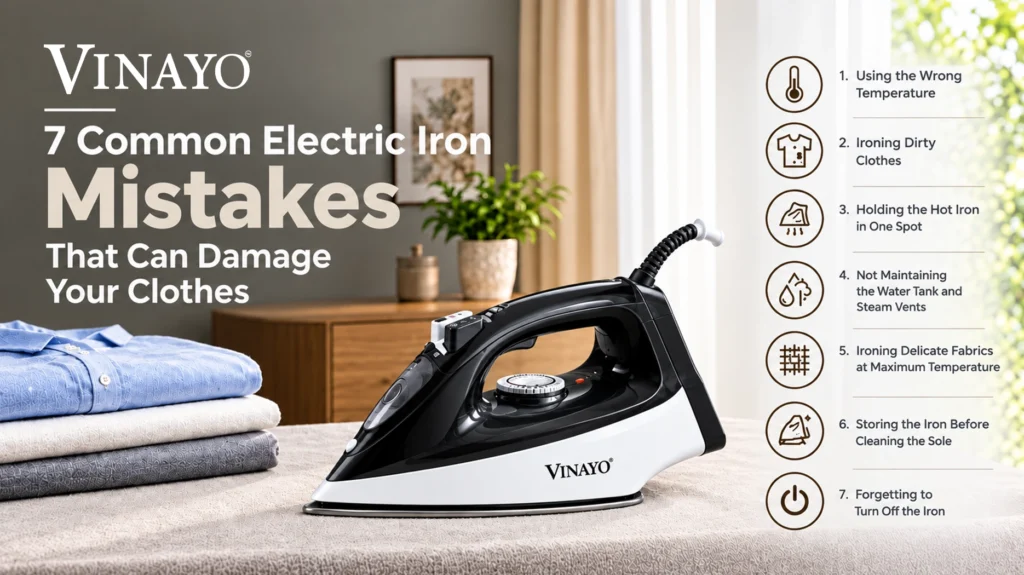
The most common ironing mistakes are:
Using the Same Temperature for All Clothes: Always make sure to use the temperature recommended by the care label on the garments.
Leaving the Iron in One Spot for Too Long: This practice can ruin some fabric types, so make sure to keep the iron moving.
Always Iron Dirty Clothes: Try to avoid ironing dirty clothes, as it can lead to permanent stains.
Applying Too Much Pressure When Ironing: Applying too much pressure will not help you achieve better results. In fact, it can potentially ruin some delicate fabrics. Always use the correct temperature and ironing technique for the clothes you are ironing.
Do Not Pay Enough Attention to the Sole Plate of the Iron: A dirty sole plate can leave unsightly spots on the garment, so make sure to clean it appropriately.
How to Get Better Results with Your Electric Iron
To achieve the best possible results when using your electric iron, make sure to keep the following ironing tips in mind:
- Sort your laundry by fabric type and temperature requirements.
- Always start with the garments that have the lowest temperature requirement.
- Gradually move to the garments that require higher temperature settings
- Always place the garment on a suitable ironing surface before you start ironing.
- Use steam, if it is available and the garment care label permits.
- Make sure to keep the iron moving.
- Always hang or fold the garments, as soon as you are done with them.
These simple ironing tips will help you achieve better results with your electric iron.
Iron Smart and Care for Your Clothes
An electric iron is a great tool for anyone that wants to keep their clothes wrinkle-free. However, getting good results with an electric iron is not as simple as buying a high-end brand new appliance. To get the best results, it is important to choose the right temperature and ironing technique for the different fabric types.
Cotton and linen, for example, typically require higher temperature settings, whereas silk, polyester, wool, rayon and other delicate fabrics are more sensitive to high heat and require lower temperature and careful ironing techniques.
Always make sure to study the care label on the garment and err on the safe side, if you are not sure about the recommended temperature setting. With the right ironing techniques, you will be able to remove all the wrinkles from your clothes, without damaging them in the process.
Frequently Asked Questions
Find answers to common questions about ironing clothes.